Temperature measurement is critical for a laundry list of applications. Depending on that application, inaccurate readings can work just fine but others may require a more precise measurement of temperature.
For that reason, temperature gauges can cover all bases. Knowing the different types and how they work can be a great place to start when it comes to learning about temperature gauges.
What are Temperature Gauges?
Contents
Let’s focus on the simplest question: “What are temperature gauges?” A temperature gauge is any device that is used for the measurement and reading of a gradient temperature. We generally think of these as being read on a numerical display, though they can also work just fine with digital displays.
There are contact and no-contact thermometers, each of which serves a specific purpose. The application in question will dictate which type you use. When people ask about a temperature gauge, they are generally asking about a specific purpose or even a specific model.
Applications of Temperature Gauges
Temperature gauges can run the gamut in terms of applications. There are literally hundreds of different applications for temperature gauges. They have purposes in medical facilities, industrial buildings, food service, military, and more.
The most common place to see temperature gauges would be on the dashboard of nearly every vehicle. Medical facilities have a litany of measurement devices to determine body temperature. Water temperature gauges are used for pipes and ducting. There are several manufacturers of both cost-friendly and high-end temperature probes and gauges. Some models can even be combined with others to create a more versatile device.
Temperature Gauge Fixing Types
The vast majority of thermometers are meant to be portable. Using a dial gauge might have been the standard once, but they need to be both light and small in order to be carried from one space to another on a regular basis.
Materials run from glass to dial, clip-on to mounted. You can even use clip-on thermometers for plumbing applications like ducting and pipework. Remote mounting can be used in areas that present challenging conditions.
How to Tell a Sensor or Thermometer Has Gone Bad
Everyone once in a while, you may be presented with a temperature gauge of some sort that has gone bad. We use thermostats in the home to change temperature, for instance, and they can wear down. Everything has a shelf life and knowing how to deal with those issues as they arise can be helpful.
Age and physical environment can be a determining factor. Moisture, dirt, and other debris can cause problems for certain thermometer types as well. If you plan to use one of these devices outdoors, then find one that is rated for outdoor use so that it will stand up much better in those situations.
How Temperature Gauges Work
Though it would take a knowledge of thermodynamic law to fully understand how these gauges work, there is a basic description that will do just fine. There are battery-powered and electronic thermocouples, temperature sensors, and thermistors, for example. These use an electrical sensor probe that generates altering resistance or voltage at different temperatures, reading the difference in Celsius or Fahrenheit.
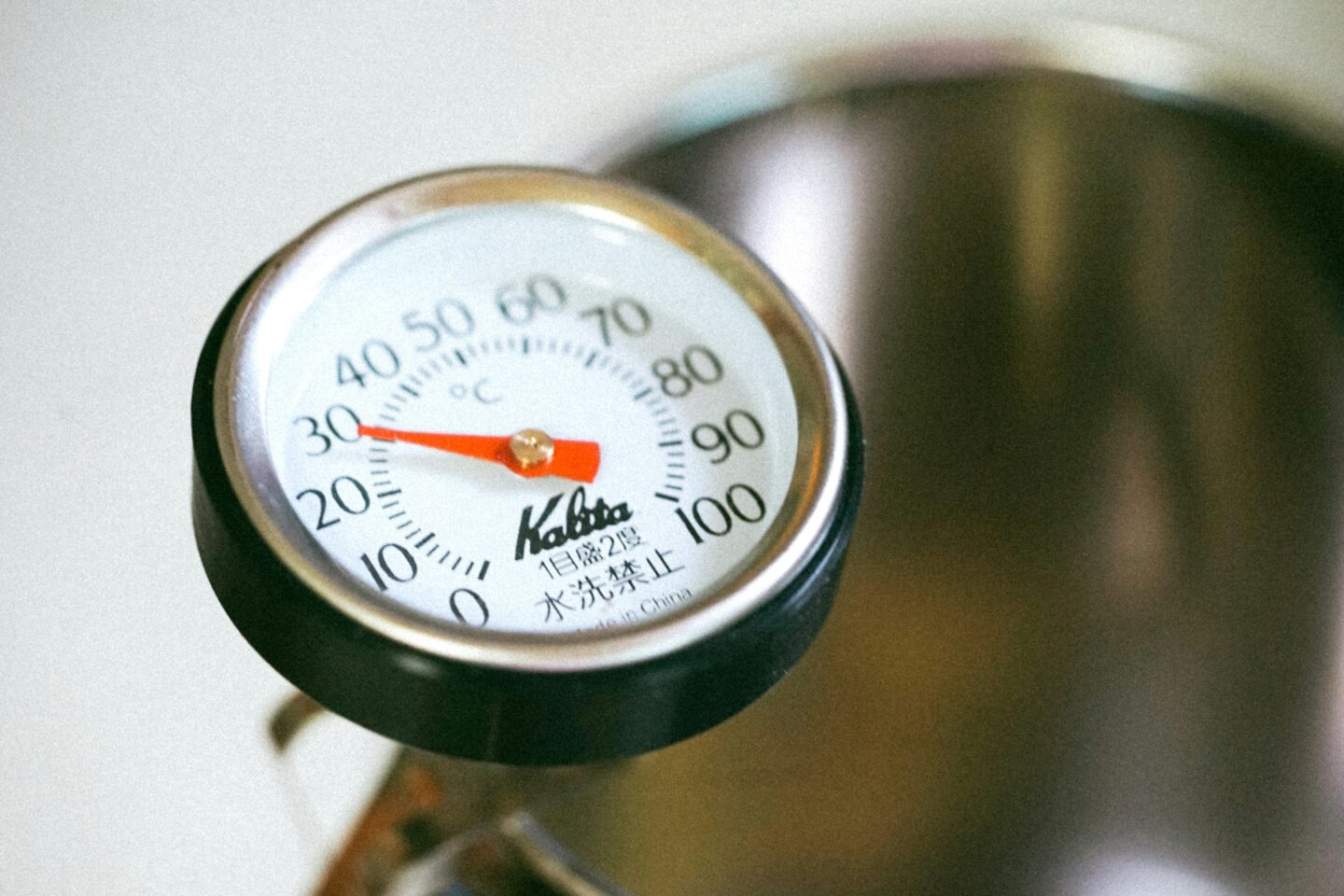
If you are using an analog temperature gauge, the principle is the same even if the execution isn’t. Analog gauges will physically alter the properties and positions of small metal components located within the instrument sensor. There is a dial needle that can then be tuned in order to display the changes as a specific number value. Though there are a variety of different gauge types, they follow similar principles to measure temperature change.
Leave a Reply